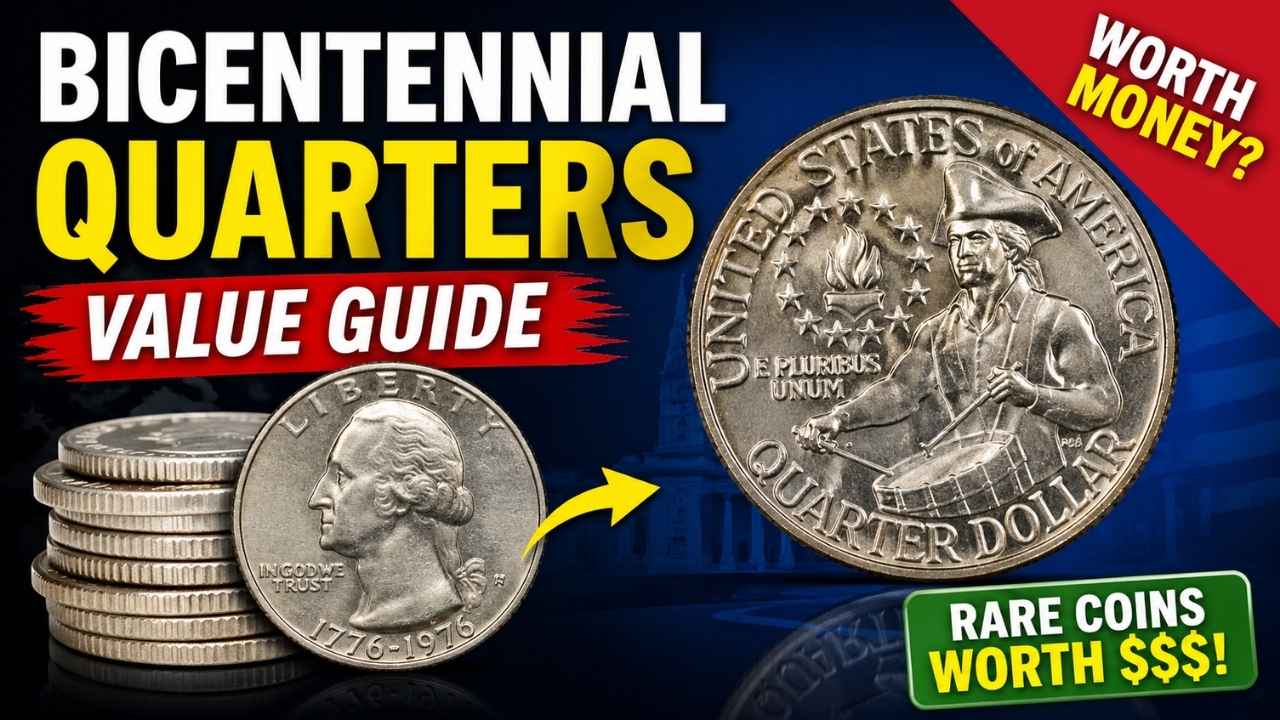
Bicentennial Quarters Value Guide: The United States Bicentennial was a momentous celebration, marking 200 years of American independence in 1976. In commemoration of this historic event, the U.S. Mint released special quarters with a unique design featuring a colonial drummer and a torch encircled by 13 stars. Over 618 million Bicentennial quarters were minted, making them a widely recognized piece of American numismatic history. Many people still have these quarters in their change, but few know their true value today. This guide will help you understand what your Bicentennial quarters could be worth and what factors influence their price.
History of the Bicentennial Quarter
The Bicentennial quarter was introduced as part of a broader series of commemorative coins celebrating the United States’ 200th anniversary. The reverse design was created by Jack L. Ahr, while the obverse retained the familiar profile of George Washington. Unlike other quarters, these coins were dated 1776-1976 to signify the Bicentennial year, and they were struck in both copper-nickel clad and 40% silver versions. The U.S. Mint issued billions of these quarters, including circulation strikes, special collector’s editions, and proof sets. Because of their popularity and historical significance, Bicentennial quarters remain a favorite among coin collectors today.

Types of Bicentennial Quarters
Bicentennial quarters are generally divided into three main types based on composition and minting:
Circulation Strikes: These are the quarters most people received in their change. They are made from a copper-nickel clad and were produced in massive quantities. Most circulation strikes are worth only face value unless they are in exceptional condition.
Silver Clad Coins: The 40% silver quarters were primarily included in special mint sets or sold to collectors. These coins are more valuable than their copper-nickel counterparts due to their silver content.
Proof Coins: Proof Bicentennial quarters were specially made for collectors with a mirror-like finish. They are often sold in protective cases and are highly sought after by numismatists, making them more valuable than standard circulation coins.
Factors Affecting the Value
Several factors determine the value of a Bicentennial quarter beyond its composition. Understanding these elements can help you assess what your coin might be worth.
Condition and Grade: The condition of a coin is crucial in determining its value. Coins that have not been circulated, with no scratches or wear, are considered “uncirculated” and can fetch higher prices. Professional grading services can certify a coin’s grade, which significantly affects its market value.
Mint Mark: Bicentennial quarters were minted in Philadelphia, Denver, and San Francisco. Coins from San Francisco often carry a higher value because they were primarily intended for collectors. Look for a small “S” or “D” mint mark on the coin to identify its origin.
Silver Content: Coins containing silver are worth more due to the intrinsic value of the metal. A 40% silver Bicentennial quarter will always be worth more than a standard copper-nickel quarter.
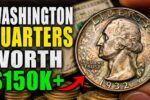
Rarity: Although most Bicentennial quarters are common, some varieties are rarer due to low mintages or errors during production. Coins with unusual features, such as double dies or off-center strikes, can be highly collectible.
Average Market Value
For circulation strikes, most Bicentennial quarters are valued close to face value, generally 25 cents. However, uncirculated examples can sell for a few dollars. Proof coins and silver versions command higher prices, typically ranging from five dollars to twenty dollars or more depending on condition. Coins with rare minting errors or exceptionally high grades may reach hundreds of dollars among collectors.

Tips for Selling or Collecting
If you are considering selling your Bicentennial quarters, it is essential to know their condition and type. Taking coins to a reputable dealer or using an online marketplace can help you get a fair price. Collectors often pay premiums for well-preserved coins, especially those with proof finishes or silver content.
For those interested in collecting, buying from coin shows, auctions, or certified dealers ensures authenticity. Keeping coins in protective holders prevents damage and preserves value. Over time, certain rare varieties may increase in worth, making Bicentennial quarters a rewarding addition to any collection.

Conclusion
Bicentennial quarters are more than just spare change; they are a piece of American history and a collectible treasure. Understanding their types, conditions, and factors affecting value can help you determine whether your coins are worth more than their face value. Whether you have a handful of quarters from 1976 or a full set of proofs and silver issues, these coins are a tangible connection to the country’s past and a potential investment for the future. By learning about the nuances of Bicentennial quarters, collectors and enthusiasts alike can appreciate both their historical significance and monetary value.