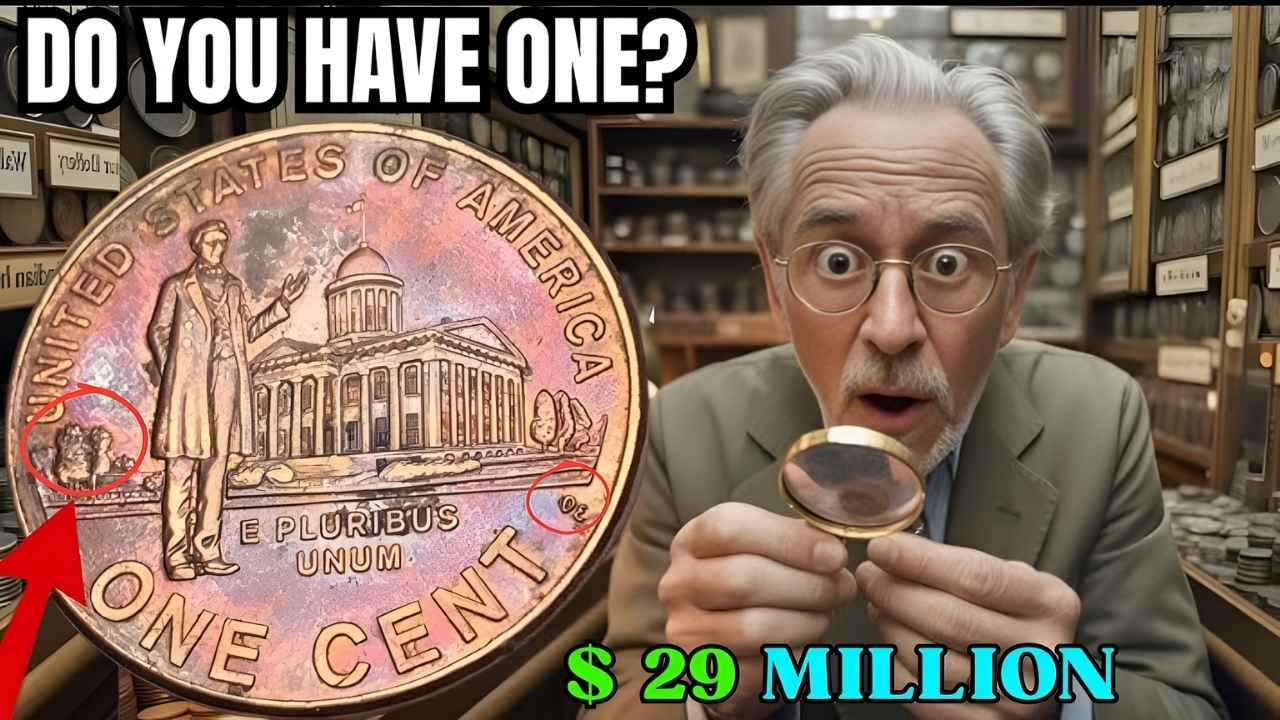
Complete Lincoln Penny Value Guide 2026: The Lincoln penny has been a staple of American coinage for over a century, first introduced in 1909 to commemorate Abraham Lincoln’s 100th birthday. From its early copper composition to modern zinc and copper-plated designs, the penny has seen numerous changes in design, composition, and minting techniques. For collectors, Lincoln pennies offer a fascinating blend of history, artistry, and potential value. This guide will help you navigate the world of Lincoln penny collecting, highlighting key years, mint marks, and approximate values in 2026.
History of the Lincoln Penny
The Lincoln penny was designed by Victor David Brenner and made its debut in 1909. It was the first U.S. coin to feature a president’s portrait, replacing the Indian Head cent that had been in circulation since 1859. Initially composed of 95% copper and 5% tin and zinc, the penny underwent significant changes in 1943 when steel pennies were produced to conserve copper for World War II. Over the years, the reverse design also changed, from the Wheat Ears design (1909–1958) to the Lincoln Memorial (1959–2008), and most recently to the Union Shield design introduced in 2010.

Types of Lincoln Pennies
Lincoln pennies can be broadly divided into several types based on their design, composition, and production period:
Wheat Pennies: Produced from 1909 to 1958, these pennies feature wheat stalks on the reverse. Key dates, such as the 1909-S VDB, are particularly valuable to collectors.

Lincoln Memorial Pennies: Struck from 1959 to 2008, these pennies replaced the wheat ears with the Lincoln Memorial. Most are common, but rare mint errors and low-mintage years hold higher value.
Steel Pennies: Produced in 1943, these pennies are made of steel coated with zinc. While many were returned to circulation, some high-grade examples or those with errors are valuable today.
Copper-Plated Zinc Pennies: Beginning in 1982, pennies transitioned from solid copper to primarily zinc with a thin copper coating. Collectors seek out varieties from the transition year as they are often split between copper and zinc compositions.
Understanding Mint Marks
Mint marks are small letters on a coin that indicate the mint where it was produced. For Lincoln pennies, the primary mint marks are:
No Mint Mark: Indicates the coin was minted in Philadelphia, especially important for early dates.
D: Denotes a coin minted in Denver.

S: Denotes a coin minted in San Francisco, often associated with collector sets and proof coins.
Understanding mint marks is critical because the same year and design may vary widely in rarity and value depending on where it was produced.
Key Lincoln Penny Dates and Values in 2026
Collectors should pay special attention to certain key dates, varieties, and errors, as these often carry the highest value. While common pennies from recent decades are typically worth face value, rare or uncirculated examples can be valuable. Below are some notable examples:
1909-S VDB: One of the most famous and valuable Lincoln pennies, particularly in high grades. Values can range from hundreds to thousands of dollars depending on condition.

1914-D: A rare Denver-minted penny, highly sought after by collectors. High-grade coins can command significant prices.
1922 No D: A unique variety from Denver where the mint mark does not appear. Well-preserved examples are highly collectible.
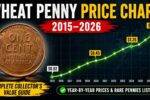
1943 Steel Pennies: Collectors look for both circulated and uncirculated examples. Certain errors, such as copper pennies accidentally minted in 1943, are extremely rare.
1955 Double Die: This penny features a doubling of the date and lettering, making it a famous error coin. High-grade examples can sell for thousands.

1982 Copper and Zinc Varieties: Collectors seek out the few remaining 1982 pennies struck in copper. Prices for these can be higher than modern circulation pennies.
Factors Affecting Lincoln Penny Value
Several factors influence the value of Lincoln pennies, including:
Condition and Grade: Coins are graded on a scale from Poor to Mint State. Higher-grade coins, particularly uncirculated ones, are more valuable.
Rarity: Coins from low-mintage years or with mint errors are generally worth more.
Composition: Pennies made from pure copper or unusual metals like steel have intrinsic metal value that adds to collectible worth.
Historical Significance: Coins associated with major historical events or designs can have added interest for collectors, increasing their market value.
Mint Mark: As discussed, pennies from certain mints can be significantly more valuable than others.
Tips for Collecting and Selling
If you are beginning your Lincoln penny collection, start by organizing coins by type, year, and mint mark. Protective holders and albums help preserve condition and value. Researching reputable coin dealers and auctions ensures authenticity and fair pricing.
When selling, knowing the coin’s grade, rarity, and composition is essential. Proof coins or uncirculated coins generally fetch higher prices than common circulation coins. Online marketplaces, coin shows, and professional appraisals are practical ways to determine value.
Conclusion
Lincoln pennies are more than everyday currency; they are miniature pieces of American history. From the iconic Wheat pennies to modern zinc varieties, each coin tells a story of its era. Understanding key years, mint marks, and factors affecting value allows collectors to make informed decisions. Whether you have a handful of pennies from your childhood or a carefully curated collection, Lincoln pennies offer both historical significance and potential financial reward. By staying informed and paying attention to condition, rarity, and composition, collectors can enjoy a rewarding hobby that connects them to over a century of American numismatic heritage.