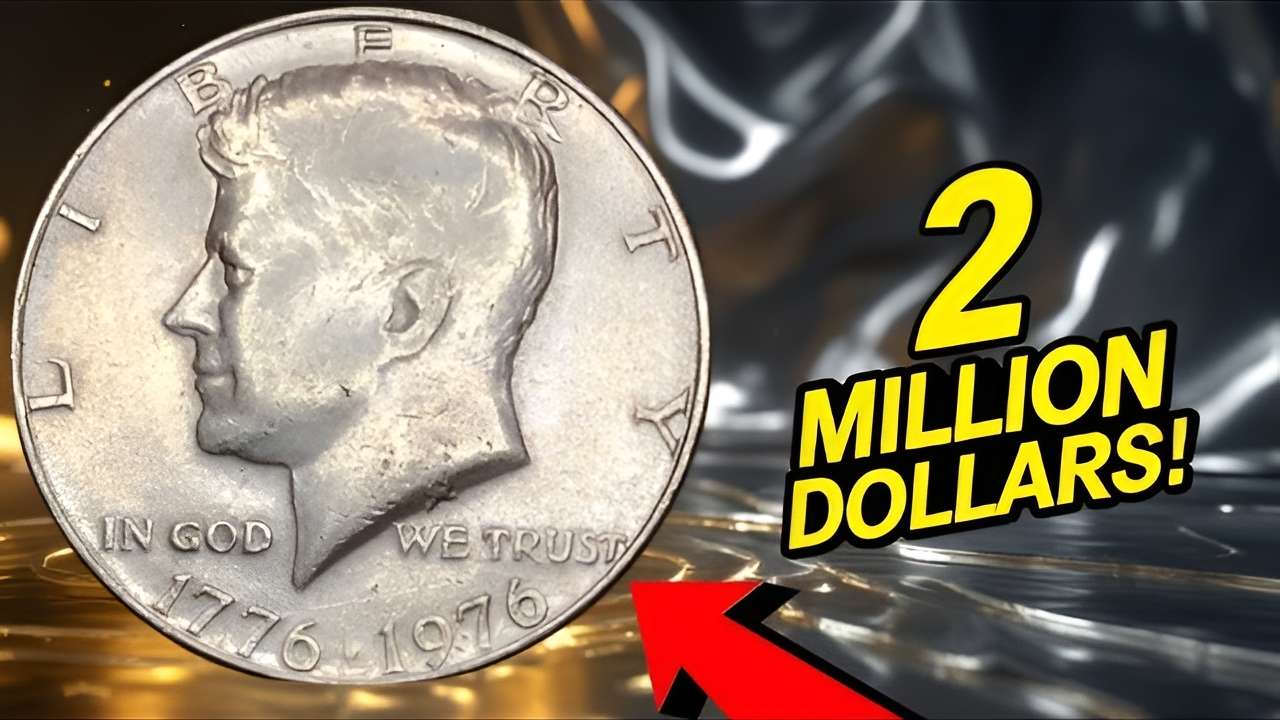
Bicentennial Quarter Error Guide: The 1776–1976 Bicentennial quarter is a memorable coin in American history, issued to commemorate the United States’ 200th anniversary. Featuring the dual date 1776–1976, these quarters are instantly recognizable, with the reverse depicting a colonial drummer and a victory torch surrounded by thirteen stars. While millions of these coins were minted, certain errors and varieties make some Bicentennial quarters exceptionally valuable today. Collectors are always on the lookout for these rarities, which can fetch hundreds or even thousands of dollars depending on their condition and type of error.
This guide provides a comprehensive overview of Bicentennial quarter errors, tips for identifying them, and insights into their potential market value.
Overview of the 1976 Bicentennial Quarter
The 1976 Bicentennial quarter was minted in Philadelphia, Denver, and San Francisco, with Philadelphia and Denver coins produced for general circulation and San Francisco coins struck as proofs. The design was part of a special release, and the mintage numbers were unusually high to meet collector and public demand.
Despite the large production, specific errors during the minting process created coins that are much rarer than the standard issues. Understanding these errors is crucial for spotting potentially valuable coins in circulation or in existing collections.

Key Error Types in Bicentennial Quarters
Several common errors make Bicentennial quarters collectible. Among these are double dies, off-center strikes, die cracks, and missing or weak mint marks. Coins exhibiting these errors are often one-of-a-kind and highly prized among collectors.
Double die errors occur when the coin is struck more than once incorrectly, producing a noticeable doubling effect on the design. Off-center strikes happen when the coin is not aligned properly in the press, resulting in part of the design being cut off. Die cracks are small raised lines on the surface caused by cracks in the die used to strike the coin. Missing or weak mint marks occur when the mint mark is faint or absent due to a die problem.
Double Die Bicentennial Quarters
Double die errors are among the most valuable Bicentennial quarters. The doubling effect is most noticeable on the date or lettering on the coin. Collectors can identify these errors by examining the coin under magnification, looking for letters or numbers that appear thicker or doubled.
Depending on the severity of the doubling and the coin’s condition, a double die Bicentennial quarter can sell for several hundred dollars or more, particularly if it has minimal wear and original luster.

Off-Center Strikes
Off-center strikes are a visually striking error that significantly increases a coin’s value. These occur when a quarter is struck incorrectly in the press, leaving part of the design missing or shifted.
The more severe the off-center strike, the higher the value. Coins that are noticeably misaligned are highly sought after, especially if the remaining design elements are clearly visible and the coin is in good condition.

Die Cracks and Die Breaks
Die cracks and die breaks appear as raised lines or irregularities on the surface of a quarter. These result from cracks or damage to the die used during the minting process.
While die cracks are sometimes subtle, prominent or unusual patterns can increase the coin’s value. Coins with significant die breaks or raised design anomalies are particularly collectible, as these errors are unpredictable and cannot be intentionally reproduced.

Missing or Weak Mint Marks
Some 1976 Bicentennial quarters were struck with missing or weak mint marks. Coins without a mint mark from Denver or with an almost invisible “S” from San Francisco are rare and can command premium prices.
Collectors value these coins because mint mark errors are unusual and usually occur in very small quantities. Verifying authenticity through magnification or professional grading ensures the coin’s legitimacy and helps establish market value.

Proof and Uncirculated Error Coins
Proof and uncirculated Bicentennial quarters with errors are among the most valuable. San Francisco proof coins were struck with specially polished dies and often display sharp, mirror-like surfaces.
Errors on these proof coins, such as doubled dies, die cracks, or planchet flaws, are highly collectible. Uncirculated circulation strikes with noticeable errors are also in demand, especially if they retain full mint luster and minimal wear.

Spotting Valuable Bicentennial Quarters in Circulation
To identify potentially valuable coins in circulation, examine the date, mint mark, and design carefully. Look for doubling, misalignment, missing elements, or raised lines. Using a magnifying glass or loupe helps detect subtle errors that might be missed by the naked eye.
Pay attention to the coin’s condition. Coins with scratches, corrosion, or heavy wear are generally less valuable, even if they exhibit an error. Early recognition and careful handling can preserve the coin’s value for collectors or future sale.

Factors Affecting Bicentennial Quarter Value
Several factors influence the market value of error Bicentennial quarters. Condition or grade is paramount, with coins in Mint State or proof condition commanding the highest prices. The type and severity of the error also play a critical role, as more dramatic or unique errors are more desirable.
Rarity is another factor, especially for off-center strikes, double dies, and missing mint marks. Verified certification from a reputable grading service enhances both value and marketability, providing collectors with confidence in authenticity.

Storing and Preserving Bicentennial Quarters
Proper storage is essential to maintain the value of Bicentennial quarters. Store coins in a stable, dry environment and avoid handling them with bare hands to prevent oils and dirt from damaging the surface.
Use coin holders, flips, or albums to protect each coin. Regular inspection ensures early detection of tarnish, corrosion, or other damage. Coins in pristine condition with properly preserved luster are far more valuable than those showing wear or handling marks.
Conclusion
The 1776–1976 Bicentennial quarter is more than just a commemorative coin; it is a potential treasure trove for collectors. Errors such as double dies, off-center strikes, die cracks, and missing or weak mint marks can significantly increase a coin’s value, sometimes reaching hundreds or thousands of dollars.
By carefully examining coins, understanding the types of errors, and maintaining proper storage, collectors can protect these hidden treasures. Awareness and knowledge of Bicentennial quarter errors allow collectors and casual coin holders alike to identify rare coins in circulation, preserve their condition, and capitalize on their potential value. These coins provide a unique connection to American history while offering a rewarding opportunity in the world of numismatics.